A Seat at the Table: IT Leadership in the Age of Agility
IT Revolution Press

Looking for a great book to read, podcast to follow, conference to attend, or website to visit?
For sustained personal growth, I can’t emphasize enough the importance of continuous learning and experimentation. Make sure you take the time to practice what you’ve learned!
“I cannot remember the books I’ve read any more than the meals I have eaten; even so, they have made me.”
Ralph Waldo Emerson
I listened to a conversation where a CEO and Head of Product discussed the distinguishing factors between senior leadership and lower leadership. They highlighted two key aspects: the ability to zoom in and zoom out (which they referred to as a superpower) and the skill of building a network and connecting with others. While this list is not exhaustive, I suggest adding a third factor: the level of continuous learning and one’s T-shaped knowledge and experience.
Learning involves courses, reading, and hands-on experience. In the past five years, I have extensively read on various non-fiction topics such as management, leadership, team design, software engineering, and Agile, Lean, and DevOps methodologies. My main focus is on people, innovation, and efficiency. The insights have enhanced my experience in building high-performing teams and efficiently delivering digital products.
This journey has turned me into a versatile generalist, exploring areas I previously had little interest in. In addition to software development, delivery, and leadership, I’ve delved into product management, team dynamics, design, finance, and metrics. I’ve also improved my communication skills to better interact with others. Additionally, I have experience leading cultural shifts, optimizing value streams, implementing automation and feedback systems, managing and empowering leaders, handling mergers and acquisitions, and exploring financing options.
The T-shape metaphor symbolizes an individual’s strengths. The vertical line stands for expertise, discipline, and knowledge in a specific field, while the horizontal line represents cross-discipline competencies and the ability to collaborate with professionals in different industries or roles. My skills and experience have gradually taken on a more V-shape.

“Books = Knowledge, Experience = Wisdom”
attributed to Tracy Bannon
Since 2018, I’ve deepened my expertise by engaging with nearly 200 books and additional online courses, focusing on Agile, Lean, DevOps, Software Engineering, Architecture, Leadership, Management, Communication, Coaching, Culture, Teams, Product Management, Change Management, Goal Setting, OKRs, Public Speaking, Finance, and Entrepreneurship and Funding. Engaging with books and courses and applying that knowledge practically has improved my professional skills and ability to lead and innovate within complex organizational systems.
Share what you’ve been learning, reading, or experiencing lately. Feel free to recommend any books, learning, or topics I should explore next by contacting me here.
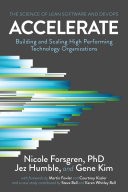
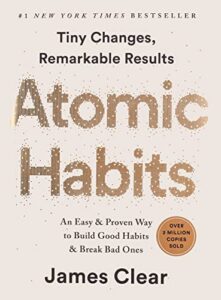
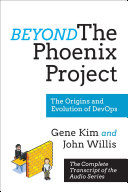
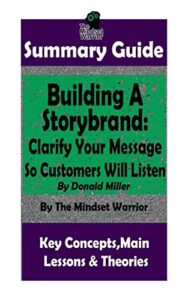
This list represents the books that have materially shaped how I lead, build teams, and think about delivering value. It is not a complete inventory of everything I have read. Many foundational influences came from print editions and earlier career reading, including classics like The New One-Minute Manager and Who Moved My Cheese?. My top selections evolve as I continue learning, but the common thread remains: each book here has influenced how I connect leadership, product, and technology to real outcomes.
All books are listed alphabetically by title, and those marked with a ★ are my personal top picks. Note: the categorization of these books is still a work in progress.
Filter by category
Showing 1 to 15 of 68 books
Whether it’s about any of these books, the two hundred others I’ve read, or something you highly recommend — I’d love to hear from you.
Let’s talk